
The WildHER Way
Reflections on Leadership, Life, and Everything In Between

Your Culture Is Teaching People How to Behave
An organization can say it values teamwork while consistently making excuses for a perceived high performer who operates almost entirely as an individual contributor. Their results may look good on paper, but the rest of the team learns something from the exceptions made for them.

Before You Call Them Resistant
Before calling someone resistant, it may be worth getting closer to what they believe is at stake. Are they reacting to this decision, or to what earlier decisions have taught them to expect?

The More Technology Can Do, the More Human Skills Matter
We hire people because they know how to do the job, then expect them to know how to read a room, navigate tension, receive feedback, communicate with different audiences, and understand the impact they are having on other people.

The Cost of Friction
The work continues, so it can seem like the team has learned to manage the situation when, in reality, people may have learned to work around it. Working around an unresolved issue takes effort, and even when it doesn’t bring the work to a complete stop, it makes the work heavier.

Ownership Requires More Than an Assignment
I recently found language for something I have believed for a long time…if accountability only travels down the org chart, it isn't accountability. It's authority. Authority gives you the right to make certain decisions. Leadership determines whether people trust you with that right, and accountability requires you to answer for how you use it.

Influence Is Built in the Translation
At some point in our careers, being knowledgeable about our work is no longer enough. We also have to help other people understand why what we know matters to them, and while that may sound simple, it can be harder than we realize.

Is Your Team Moving Too Slowly—or in Too Many Directions?
If everything feels equally urgent, people end up making these choices on their own, and they might not choose what their leaders would.

Leadership Is About Making Room
A leader's role is not to be at the center of everything. It is to understand what people need in order to be effective and to help clear the path. Sometimes that means opening a door. Sometimes it means stepping back. More often than we realize, leadership is less about adding ourselves to the work and more about removing the barriers that keep others from doing theirs.

Leadership Begins with a Pause
Leadership rarely slows down on its own. Between meetings, emails, and constant demands, it's easy to move from one decision to the next without thinking. What if one simple pause could change the way you lead?
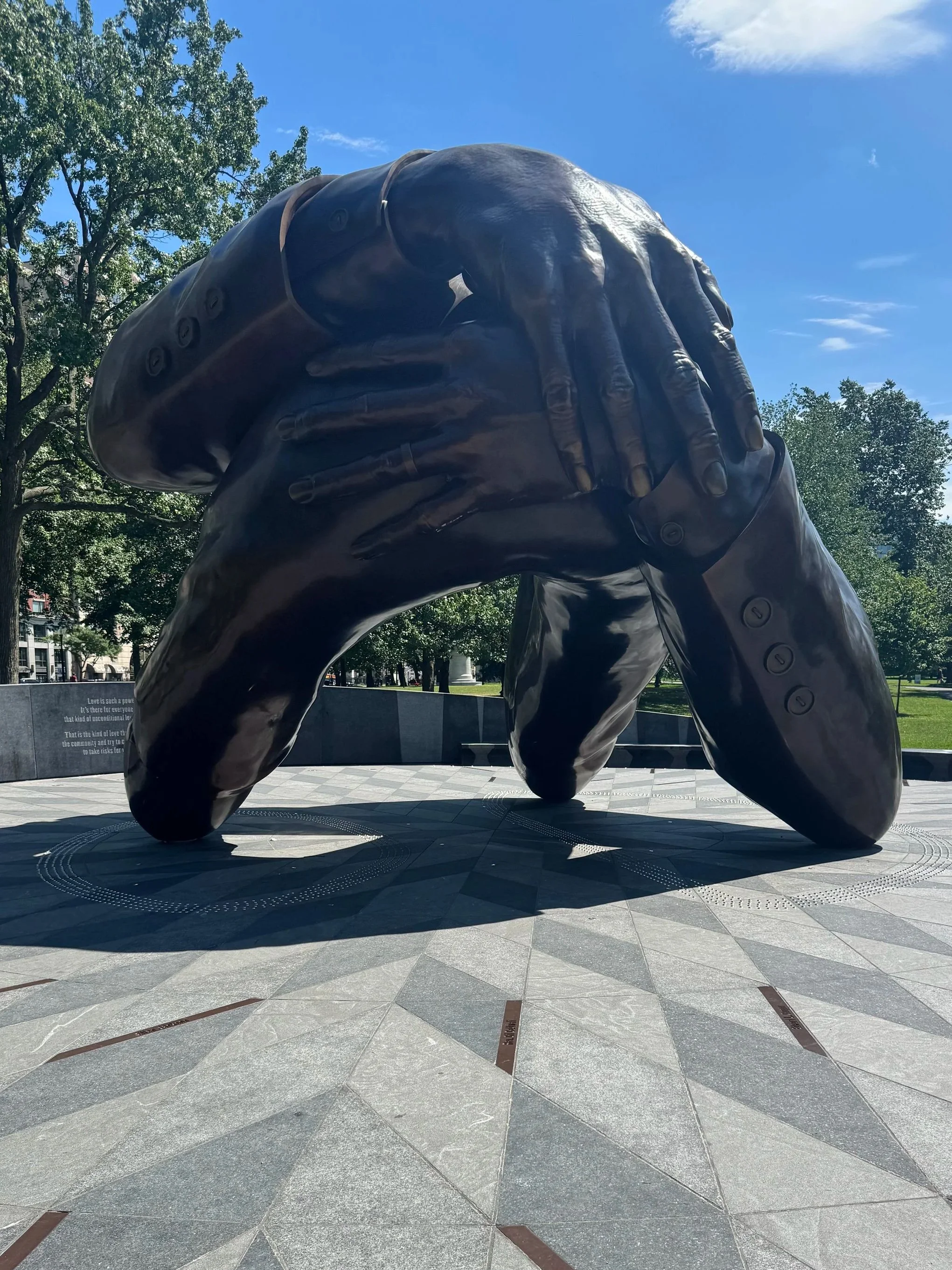
The Last Vacation Before College
What started as five days in Boston became something much more meaningful. As our daughter prepares to leave for college, I was reminded that the greatest gift we can give the people we love isn't more time—it's more of ourselves while we have the time.